If your town has just been hit, the road back can feel endless. The disaster recovery process is the staged work of restoring, rebuilding and revitalizing a community, and it often starts while response is still underway.
The wider picture of disaster response sits alongside this guide, which focuses on what comes after the first emergency.
| Item | Value |
|---|---|
| Recovery Support Functions in the National Disaster Recovery Framework | Six Recovery Support Functions |
| Operational stages of federal Natural and Cultural Resources recovery support | Six operational stages |
| Core principles guiding the framework | Nine core principles |
| Periods of activity during a disaster, per the U.S. Fire Administration | Four overlapping periods |
| Steps in a public works recovery coordination cycle | Five steps |
| Framework approval by the President | Approved in 2011 |
These figures come from the Department of the Interior’s framework page and the Department’s recovery overview, and they can change, so check the sources before you rely on them.
What the disaster recovery process actually covers
According to the Department of the Interior, the disaster recovery process focuses on restoring, redeveloping and revitalizing communities hit by a disaster. It is broader than repairing buildings.
The same page notes that recovery often begins while emergency response is still in progress. For federal support, FEMA appoints a Federal Disaster Recovery Coordinator as a deputy to the Federal Coordinating Officer, and that coordinator leads recovery from the Joint Field Office.
State guidance describes it in plain terms. Nevada’s Office of Emergency Management says recovery activities are those needed to restore services and systems to a state of normalcy, and that many of them are likely to be long-term and may continue for many years.
The U.S. Fire Administration says activity during a disaster falls into four distinct and overlapping periods:
- Normal lives are disrupted by the disaster.
- A period of restoration addresses the immediate impact.
- A period of rebuilding returns stock, social activity and economic activity to normal.
- Commemoration, improvement and community growth follow.
How the National Disaster Recovery Framework organizes help
The National Disaster Recovery Framework (NDRF) gives organizational and operational guidance for whole community engagement in recovery. The Department of the Interior reports that it was approved by President Obama in 2011.
The framework treats recovery as more than putting physical structures back as they were. It also stresses the ability of individuals and families to rebound in ways that sustain their physical, emotional, social and economic well-being.
The NDRF set up six Recovery Support Functions, as the Department’s recovery overview explains. They are:
- Community Planning and Capacity Building
- Housing
- Economics
- Infrastructure Systems
- Health
- Natural and Cultural Resources
Each function has a Federal Coordinating Agency, a core group of primary agencies and supporting organizations. Their purpose is to bring agency resources together, ease problem solving and improve access to resources for local, State, Tribal and Territorial partners.
The framework page lists nine core principles behind this work:
- Individual and Family Empowerment
- Leadership and Local Primacy
- Pre-Disaster Recovery Planning
- Partnerships and Inclusiveness
- Public Information
- Unity of Effort
- Timeliness and Flexibility
- Resilience and Sustainability
- Psychological and Emotional Recovery
The six stages of federal recovery support
For natural and cultural resources, field support follows six operational stages so partners share an understanding of the sequence of activities, says the Department of the Interior. FEMA may activate the support function for all of the stages or only some, depending on the disaster.
- Monitoring and Situational Awareness
- Advance Evaluation
- FDRC and RSF Activation/Deployment
- Recovery Support Strategy (RSS) Report Development
- RSS Report Implementation
- Transition and Return to Steady-State Operations
The stages are flexible enough to fit each disaster’s particular challenges while keeping federal support consistent and timely. Local leaders rarely run these stages themselves, but knowing the sequence helps you see where outside help fits.
Why damage assessment shapes everything that follows
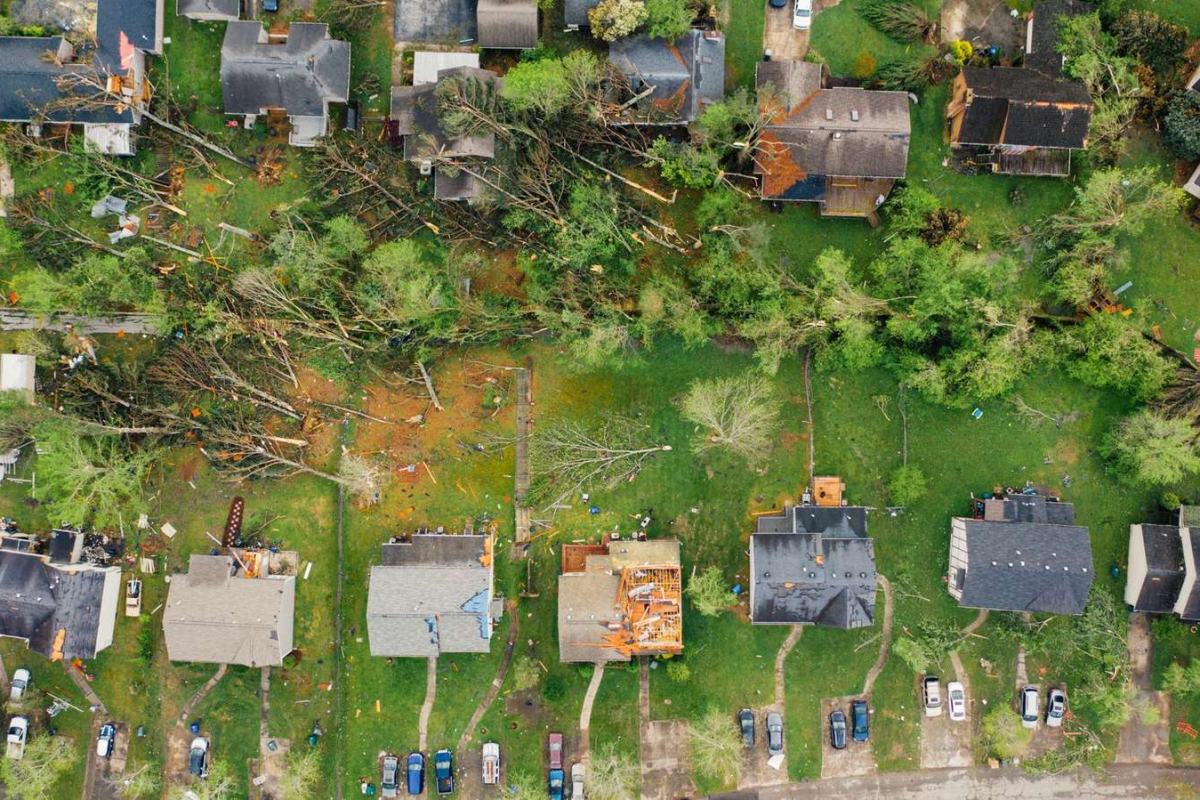
FEMA’s training material says local damage assessment plays a critical role in both response and recovery. A structured disaster damage assessment produces a snapshot of the extent and location of damage, per the FEMA course page.
That snapshot helps a community set priorities for response, such as search and rescue, and for recovery, such as removing storm debris and repairing infrastructure. It also supplies some of the documentation needed to apply for local, State and Federal assistance.
Teams may need to revisit an area that was not accessible the first time, or where new impacts appear. The findings also show whether local resources will be enough or whether mutual aid and outside help must be activated.
Building a local recovery plan and task force
The U.S. Fire Administration says a post-disaster recovery plan, integrated with the community’s comprehensive, emergency operations, capital improvement and mitigation plans, can speed recovery. It also says drafting the plan before short-term recovery efforts begin limits the harm those efforts might do to long-term recovery.
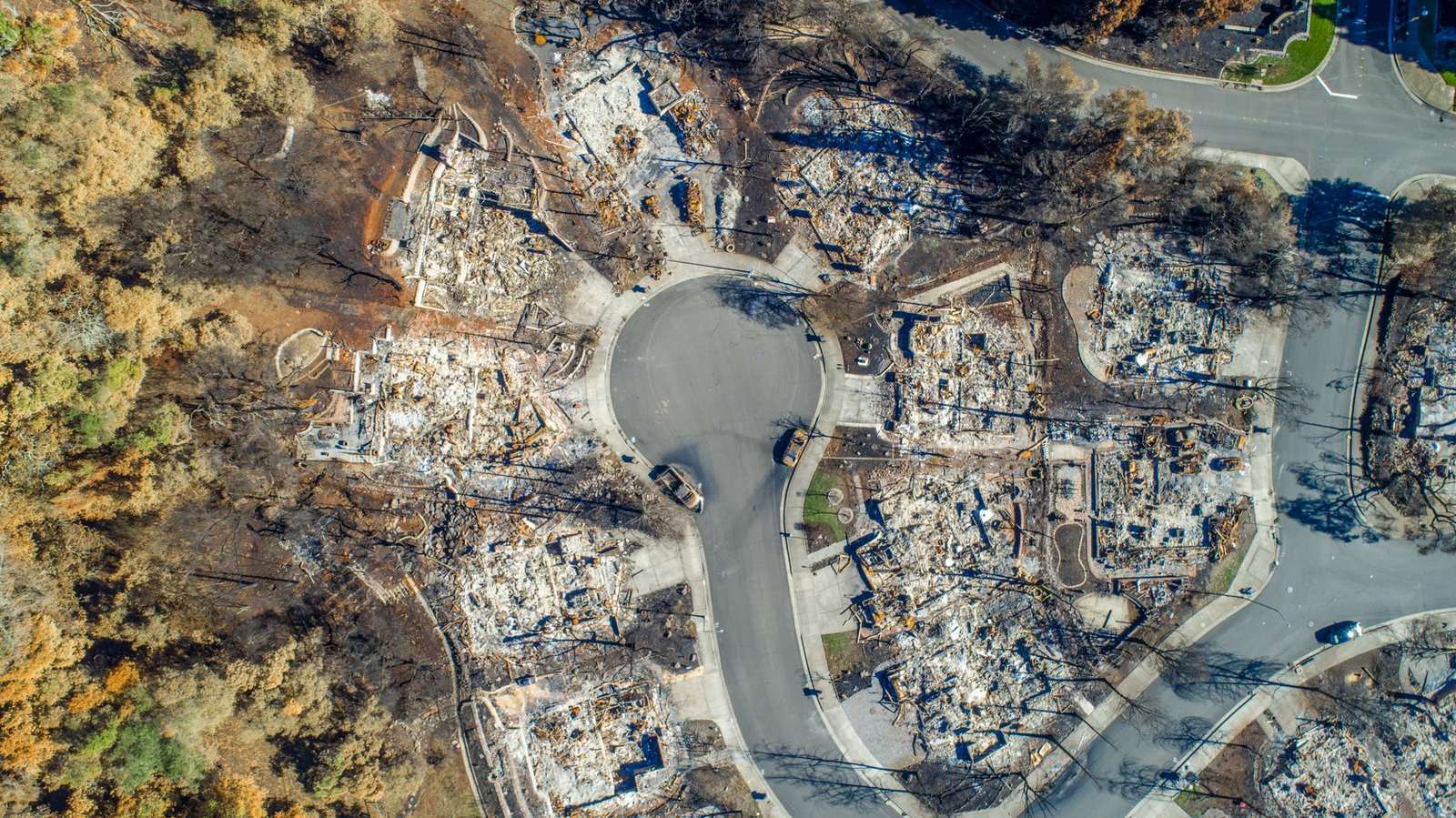
Building the plan starts with a team drawn from the organization, every level of government, the business community and other stakeholders. FEMA’s recovery course adds that a Recovery Task Force or Long Term Recovery Committee should be established to help develop the community-wide redevelopment plan, coordinate efforts and address unmet needs.
Unlike an emergency operations center, which is usually led by emergency management professionals and staffed with first responders, recovery bodies are often staffed with policy experts. The same course lays out a coordination cycle for public works:
- Assess damages.
- Prioritize issues.
- Obtain authority.
- Initiate the project and coordinate with partners.
- Review progress.
Priorities will shift as new information arrives, so the cycle repeats. Without a follow-through process, the course warns, the recovery plan is little more than a report.
Keeping a long recovery on track
FEMA’s course says a public works recovery process may take years to complete and depends on available funding. That makes visible progress and steady records as important as the first burst of repairs.
The course page suggests several habits that keep support from fading:
- Post the recovery framework online so non-sensitive information is public.
- Share reports and public presentations throughout the recovery period.
- Document project implementation to support lessons learned or an after-action report.
- Review roles, funding, training and priorities as the plan changes.
The page warns that if results stay hidden, community support may break down and hurt recovery as a whole.
Frequently asked questions
Does recovery wait until the emergency is over?
Show answer
No. Federal guidance says recovery planning and action can overlap with response, and communities that wait often miss chances to strengthen resilience.
Who leads federal recovery efforts?
Show answer
FEMA names a recovery coordinator who works as a deputy to the officer running the response from the Joint Field Office. That coordinator partners with a State counterpart to fit federal help to local needs, according to the Department of the Interior.
How long does a community take to recover?
Show answer
There is no fixed timeline. Official sources say recovery can stretch across years, and the pace depends on funding and on how severe the damage was.
What does a recovery task force do?
Show answer
It helps shape the community-wide redevelopment plan, recommends changes to local ordinances and zoning, and looks for funding. It also seeks consensus on the plan from residents and stakeholders.