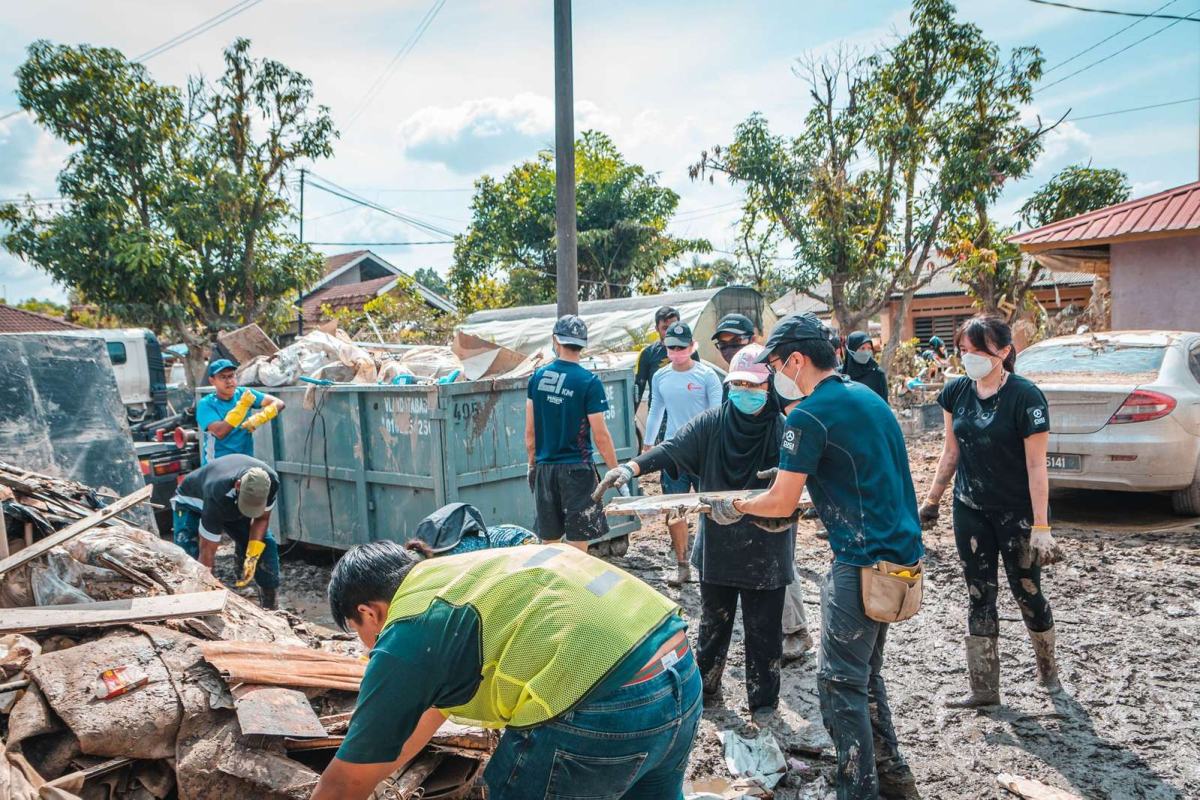
You want to help, and that matters. Here is how to volunteer after a disaster: affiliate with a recognized volunteer organization, ideally before disaster strikes, and wait until you’re asked in rather than self-deploying.
This guide sits within our wider coverage of disaster response, and it focuses on the volunteer side.
| Item | Value |
|---|---|
| First step to volunteer | Register with a National VOAD member |
| Self-deploying to the impacted area | Not advised until a need is identified and the local community requests support |
| Best time to affiliate | Before a disaster, during “blue skies” |
| Legal protection for unregistered volunteers | Little |
| How long volunteer needs can last | Many months, often years |
The table draws on National VOAD’s volunteer page and the Maine Emergency Management Agency’s volunteer guidance. Figures and guidance can change, so check the source before you rely on them.
Why self-deploying does more harm than good
Images of a disaster can pull you toward the affected area. National VOAD says volunteers should not enter until a need has been identified and the impacted community has requested support. It also asks you to be patient, because you will be contacted once damage has been assessed and unmet needs identified.
Delaware’s emergency management agency gives a practical reason: there may be no volunteer coordinator on site to assign jobs, and the scene could be unsafe for untrained and trained volunteers alike, according to its volunteer page. Showing up uninvited can leave you stranded without direction.
Maine’s guidance adds that facilities for feeding, housing, personal hygiene and health care are usually scarce. Priority goes to survivors and to volunteers who belong to an organized team, as the Maine agency explains. An unaffiliated arrival strains the same limited supplies.
How to affiliate with a volunteer organization
Affiliation is the single most useful thing you can do. Delaware’s agency calls it the first step, whether you are new to volunteering or an experienced professional: become affiliated with a trusted organization before a disaster occurs, as its volunteer guidance puts it.
- Find a member organization. National VOAD directs you to register with one of its members and publishes a member list on its volunteer page.
- Join in calm weather. Maine notes that most organizations will not accept spontaneous volunteers at a disaster site, so it recommends joining during “blue skies”, per the state’s guidance.
- Share your skills. After joining, tell the organization what skills you have and which you want to acquire so it can offer suitable training.
- Train before you are needed. Training lets the group place you where your abilities fit.
Delaware’s page suggests several places to start, which are examples rather than a complete list:
- Delaware VOAD
- American Red Cross Delmarva
- Salvation Army of Delaware
- Team Rubicon
- Community Emergency Response Teams (CERT)
Those names come from the Delaware Emergency Management Agency, and your own state or region will have its own local equivalents. Delaware also describes voluntary organizations as a force multiplier that helps local and state agencies deliver immediate assistance.
What to expect once you are assigned
Once you receive a position, National VOAD says to confirm you have been given an assignment and are wearing proper safety gear for the task, per its guidance. Coordinated roles are easier to understand if you know how agencies organize a response, which our explainer on the incident command system covers.
Maine’s agency lists several attitudes that help:
- Flexibility: be ready to step into any of a variety of roles, depending on the needs, and accept that your special talents may not be needed straight away.
- Commitment: response and recovery work is usually dirty, monotonous, mundane and not glamorous, with little individual recognition.
- Coordination: volunteer agencies match people’s abilities, skills and training to specific tasks.
These points come from the Maine Emergency Management Agency.
Know the liability situation
Check that the insurance structure of the organization you join includes liability coverage. Maine’s guidance warns that volunteers who are not registered with a disaster response organization are responsible for themselves and have little legal protection, as the agency states. Ask your organization about coverage before you accept an assignment.
What happens when a volunteer reception center opens?
Delaware advises you to listen to radio, TV and social media announcements for volunteer opportunities. If a Volunteer Reception Center opens, you may report there for direction and assignment from a trusted organization, according to the state agency. Because those announcements travel through public channels, our piece on disaster crisis communication explains how such messages are shaped.
The same Delaware page tells you what to bring:
- Related certifications and identifying documents
- Personal protection and hygiene needs
- Food, medications and equipment
It also advises keeping a record of the hours and work you did, which helps you and your organization afterward. Confirm the specifics with the organization that directs you, since needs differ by event.
Helping beyond the first days
The need does not vanish when the news cycle moves on. National VOAD notes that recovery lasts far longer than media attention, with volunteer needs continuing for many months, often years, especially once a community enters long-term recovery, as stated on its volunteer page.
If you cannot travel or join a team, money can be the better gift. Maine’s agency says that sometimes the best way to help is to donate cash to the relief effort rather than offer yourself or your things, because organizations most often need cash to serve survivors, per its volunteer guidance.
Frequently asked questions
Can I simply drive to a disaster area and start helping?
Show answer
Official guidance says no. Delaware’s agency stresses that it is best not to just show up, and National VOAD asks you to wait for an invitation from the affected community. Volunteers who go without a plan can add to the risk and the strain, as the Delaware agency explains.
Where do I sign up if I have no experience?
Show answer
Start with a member of National VOAD or a local group such as a Community Emergency Response Team. Delaware’s page says newcomers and seasoned professionals alike should affiliate first, and the same page notes these groups provide further guidance and training.
Will I get the job I want?
Show answer
Not necessarily. Maine warns that volunteers who expect a particular role are often disappointed, since the work depends on what survivors need at that moment, according to the Maine agency.
Is it better to give money than time?
Show answer
It depends on your circumstances. Organizations responding to a disaster frequently need cash most, so a donation can be a sound choice if you are unable to affiliate or travel, as Maine’s guidance indicates.
How long will volunteers be needed?
Show answer
Far longer than the headlines last. National VOAD expects opportunities to continue for many months and often years, so joining a group now means you can contribute during the rebuilding phase too.