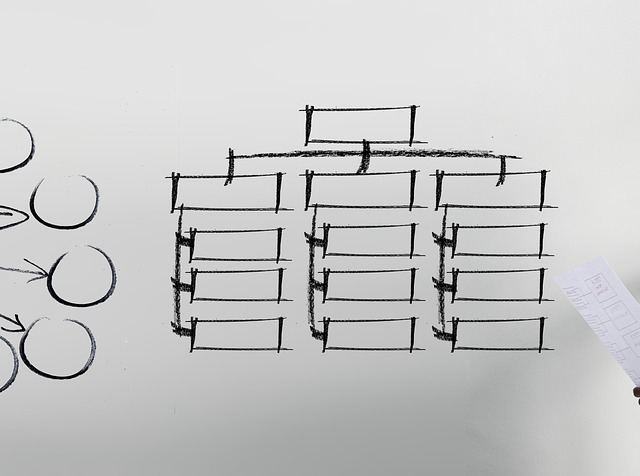

Wondering who decides what you hear during a disaster? Disaster crisis communication runs through a Joint Information System, where public information staff gather, verify, coordinate and share one consistent message.
This guide belongs to the disaster response section of this independent educational site.
| Item | Value |
|---|---|
| Joint Information System (JIS) place among NIMS structures | Fourth |
| Steps in the public information cycle | 4 steps |
| Joint Information Centers normally set up per incident | A single JIC |
| Origin of the Incident Command System (ICS) | 1970s |
| Testing record of ICS | More than 40 years |
| NIMS edition used by the FEMA course material | Third Edition, October 2017 |
These figures come from FEMA’s training pages on the Joint Information System and on informing the public and stakeholders. They can change, so check the source before you rely on them.
What the Joint Information System does
The Joint Information System is the fourth NIMS Command and Coordination structure, according to FEMA’s JIS lesson. It brings incident information and public affairs into one organization so the public and stakeholders get information that is consistent, coordinated, accurate, accessible, timely and complete.
The JIS does not sit apart from the rest of the response. It operates across and supports the ICS, the Emergency Operations Center (EOC) and the Multiagency Coordination Group (MAC Group). In practice, its work includes:
- Developing and delivering coordinated messages from several agencies
- Building and carrying out public information plans and strategies
- Advising on public affairs issues that could affect the response
- Managing rumors and inaccurate information that could undermine public confidence
As of the NIMS Third Edition, October 2017, which the FEMA lesson cites, the JIS performs these activities in support of the Incident Commander or Unified Command, the EOC Director and the MAC Group.
Who does the work: the PIO and the JIC
The Public Information Officer (PIO) is a key member of ICS and EOC organizations, though the title can differ inside an EOC. The same FEMA source lists what a PIO does:
- Advises the Incident Commander, Unified Command or EOC director on public information matters
- Gathers, verifies, coordinates and disseminates accurate, accessible and timely information
- Handles inquiries from the media, the public and elected officials
- Provides emergency public information and warnings
- Monitors and responds to rumors
The Joint Information Center (JIC) is the central location that houses JIS operations. Public information staff do their essential information and public affairs work there. Per the FEMA public information lesson, an incident should normally have a single JIC, although the system is flexible enough to use more than one if necessary.
How does the information cycle work?
Getting information to the public during an incident follows an ongoing cycle, as FEMA describes it. The cycle has 4 steps:
- Gather complete information for the public and other stakeholders.
- Verify that information to make sure it is accurate.
- Coordinate it with the other public information personnel in the JIS so the message is consistent.
- Disseminate the coordinated message to the public and stakeholders.
Speed matters. The same lesson notes that in some cases lives will depend on getting information to the public quickly. If you want to see the decisions those messages often support, read our explainer on evacuation vs shelter in place.

Planning the message before the disaster
Good public information starts well before an incident. FEMA’s JIS lesson says well-developed, coordinated communications plans enable the sharing of public safety information, such as lifesaving measures or evacuation routes. A plan can include:
- Draft news releases
- Media lists
- Contact details for elected and appointed officials, community leaders, private sector organizations and public service organizations
Plans should also be built into training and exercises so teams are ready for actual incidents. A former California emergency services training chief quoted in that lesson stresses that NIMS wants the Public Information Officers from every jurisdiction, agency and level of government to come together and have a joint message.
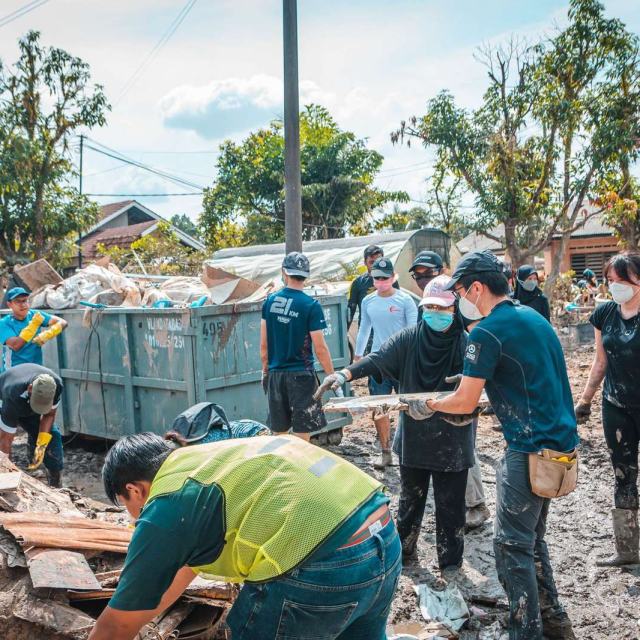
Once the immediate danger passes, many readers want to help. This site explains how to volunteer after a disaster, and it is also worth knowing which official channel is sharing updates before you act.
Where communication fits with ICS, the EOC and the MAC Group
Public information teams work inside a layered system. The FEMA PIO lesson explains that local government is always first to respond to a disaster. The state supports as needed, and the governor asks the federal government for help if the event exceeds local and state capacity.
The Incident Command System gives responders from different agencies a common framework. The same source says ICS originated in the 1970s during large wildfire-fighting efforts in California and has been tested for more than 40 years. It also credits ICS with using interoperable communications systems and plain language to improve communications.
The MAC Group is a different body. According to FEMA, it does not perform incident command functions and does not replace the primary functions of EOCs or other operations, coordination or dispatch organizations. The JIS therefore supports each structure rather than competing with any of them.
Frequently asked questions
What is a PIO in simple terms?
Show answer
A PIO is the person who advises leaders on what to tell the public and answers questions from reporters, residents and officials. They also watch for false stories and correct them.
Why do agencies try to speak with one voice?
Show answer
Conflicting instructions confuse people and weaken trust. A shared message from every jurisdiction and agency keeps the public from getting mixed signals.
Does the JIS take over command of an incident?
Show answer
No. It backs up the leaders who run the response and works alongside ICS, the EOC and the MAC Group.
Can I rely on this site for live alerts?
Show answer
No. This site is independent and educational, so look to your local emergency management office and official alert channels for real-time instructions.