
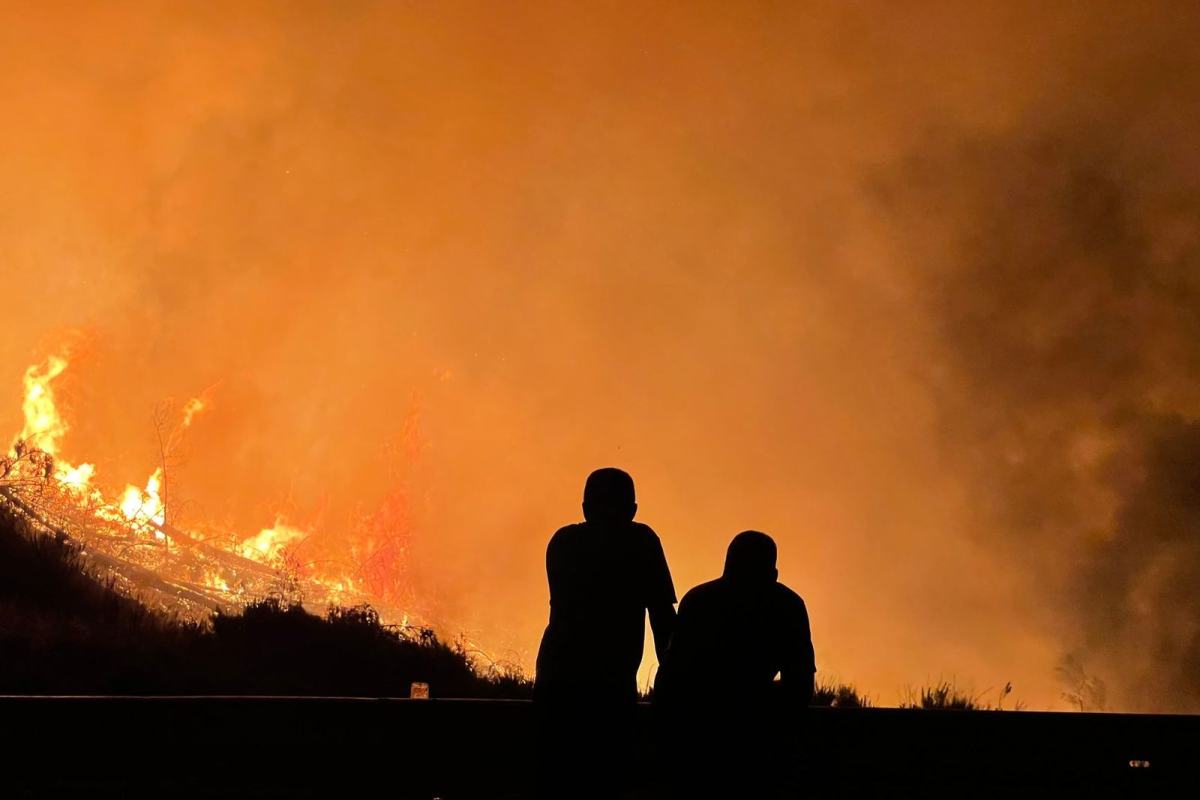
If you’re unsure what Washington wildfire evacuation levels mean, here’s the short answer: Ready means prepare, Set means be ready to leave on short notice, and Go means evacuate now. Your county’s wording may differ.
This guide is part of the wider topic of Washington state emergency management on this independent educational site.
| Item | What it means |
|---|---|
| Level 1 (READY) | A threat is in your area; be aware and prepare to evacuate |
| Level 2 (SET) | Be prepared to leave on short notice |
| Level 3 (GO) | Evacuate now |
| Wireless Emergency Alerts | Phone setting should be turned ON |
| Help line | Call 211 |
The level wording comes from Skagit County’s Ready Alerts page, and the alert and help-line items from the Washington State Military Department’s wildfire page. These figures and instructions can change, so check the sources before you rely on them.
The three levels at a glance
Skagit County describes a Ready, Set, Go system on its alerts page. The stages run from early awareness to leaving immediately, and each has a one-line meaning.
- READY: a threat is in your area, so be aware of conditions and prepare to evacuate.
- SET: be prepared to leave on short notice, because conditions may change quickly.
- GO: evacuate now, leaving the area immediately and following directions from emergency officials.
In the wording on the Skagit County page, the stages are numbered Level 1, Level 2 and Level 3. That is one county’s presentation, so confirm how your own county and fire agency label each stage.
What Ready asks of you
At the Ready stage, the county says a threat is in your area but you are not yet being told to leave. The Skagit page frames this as the time to prepare, not to wait.
The page lists these preparation steps:
- Review your evacuation plan.
- Know your routes.
- Gather essential items.
- Monitor official information.
Treat that list as a prompt to talk through your own situation: who lives with you, who needs help, and which road you would take first.
Why Set is the stage to move early
The Set stage is described as be prepared to leave on short notice. According to the county’s alerts page, conditions may change quickly at this point.
The same page adds that you should be ready to evacuate early if you need additional time or assistance. That wording matters if you care for children, older relatives, or someone with mobility limits, because a slow departure can’t be sped up once a fire moves.
What Go means
Go is the clearest stage. The Skagit County page says to leave the area immediately and follow directions from emergency officials.
There is no preparation list at this stage and no instruction to wait for more detail. The earlier stages exist so that, by the time Go arrives, your bag, routes and plan are already settled.
How evacuation alerts reach you
Depending on the situation, the county says warnings may be shared through sirens, the Emergency Alert System, Wireless Emergency Alerts, media and other official sources, as laid out on its alerts page. No single channel is guaranteed to reach you first.
The state’s wildfire page says to make sure the Wireless Emergency Alert feature is turned ON on your phone. It warns that you may have switched it off because of AMBER Alerts, and that doing so risks missing emergency information.
The same page says local alert systems are ones you would likely not receive unless you choose to opt in. In Skagit County, the Ready Alerts sign-up lets you register your address and pick text, phone or email notifications.
The county also offers a safety profile where you can share health, access or functional needs information that may help responders assist you. For a wider look at how warnings are delivered, see our guide to Washington emergency alerts.
After the fire: damage surveys and support
The Washington State Military Department’s wildfire page asks residents affected by the historic wildfires that began on August 1, 2026 to complete a Residential Damage Survey. Officials use the answers to help evaluate the extent of damage.
The page is clear that finishing the self-assessment survey does not register you for state or federal disaster assistance. Treat it as a damage report, not an application.
If you need to talk to someone, the same state page says to call 211. Fire is only one hazard here, and our page on Washington flood maps covers another.
Frequently asked questions
Which stage comes first: Ready, Set or Go?
Show answer
Ready comes first, then Set, then Go. In the Skagit County scheme they carry the numbers one to three, with Go as the highest.
What if I turned off phone alerts because of AMBER Alerts?
Show answer
The state wildfire page notes that people sometimes disable the feature for that reason. It says turning it off means you risk not getting emergency information.
Do I have to sign up to get local evacuation alerts?
Show answer
Some local systems only reach people who opt in, according to the state’s wildfire page. Check whether your county runs one and register your address if it does.
Does the damage survey count as an application for help?
Show answer
No. The state page says the survey supports damage assessment but does not enroll you in state or federal assistance.
Who can I talk to after a wildfire?
Show answer
The Washington State Military Department points people to 211 for support. Its page also lists state agencies covering insurance, health care and jobs.