Not sure whether that buzzing phone alert is real? Washington emergency alerts reach you from official agencies through your phone, radio and local sign-ups, and you can verify any of them against the issuing agency’s own page.
This guide belongs to our wider coverage of Washington state emergency management, which explains how the pieces fit together.
| Item | Value |
|---|---|
| Weather Forecast Offices that create NWS warnings | 122 Weather Forecast Offices |
| NOAA Weather Radio stations nationwide | 1025 radio stations |
| NOAA Weather Radio transmitters serving Washington | 22 transmitters |
| Share of Washington’s population those transmitters reach | More than 96 percent |
| NOAA Weather Radio frequency range | 162.40 to 162.55 MHz |
| Weather radio alarm test schedule in Washington | Each Wednesday around midday |
These figures come from the National Weather Service and the Washington State Military Department. They can change, so check those pages before you rely on them.
How an alert travels from a forecaster to your phone
A weather warning starts with a person. According to the National Weather Service, forecasters in each of its 122 Weather Forecast Offices use a system called AWIPS to create and distribute warnings, as described on the NWS warning dissemination page.
Once the forecaster hits “Send,” the warning goes through a network to the NWS Telecommunication Gateway. From there it reaches the Integrated Public Alert & Warning System, known as IPAWS, which the NWS describes as a modernization and integration of the nation’s alert and warning infrastructure.
When a warning reaches IPAWS, it is pushed to commercial wireless carriers. They broadcast it from cell towers in the threat area, straight to phones, according to the same NWS page.
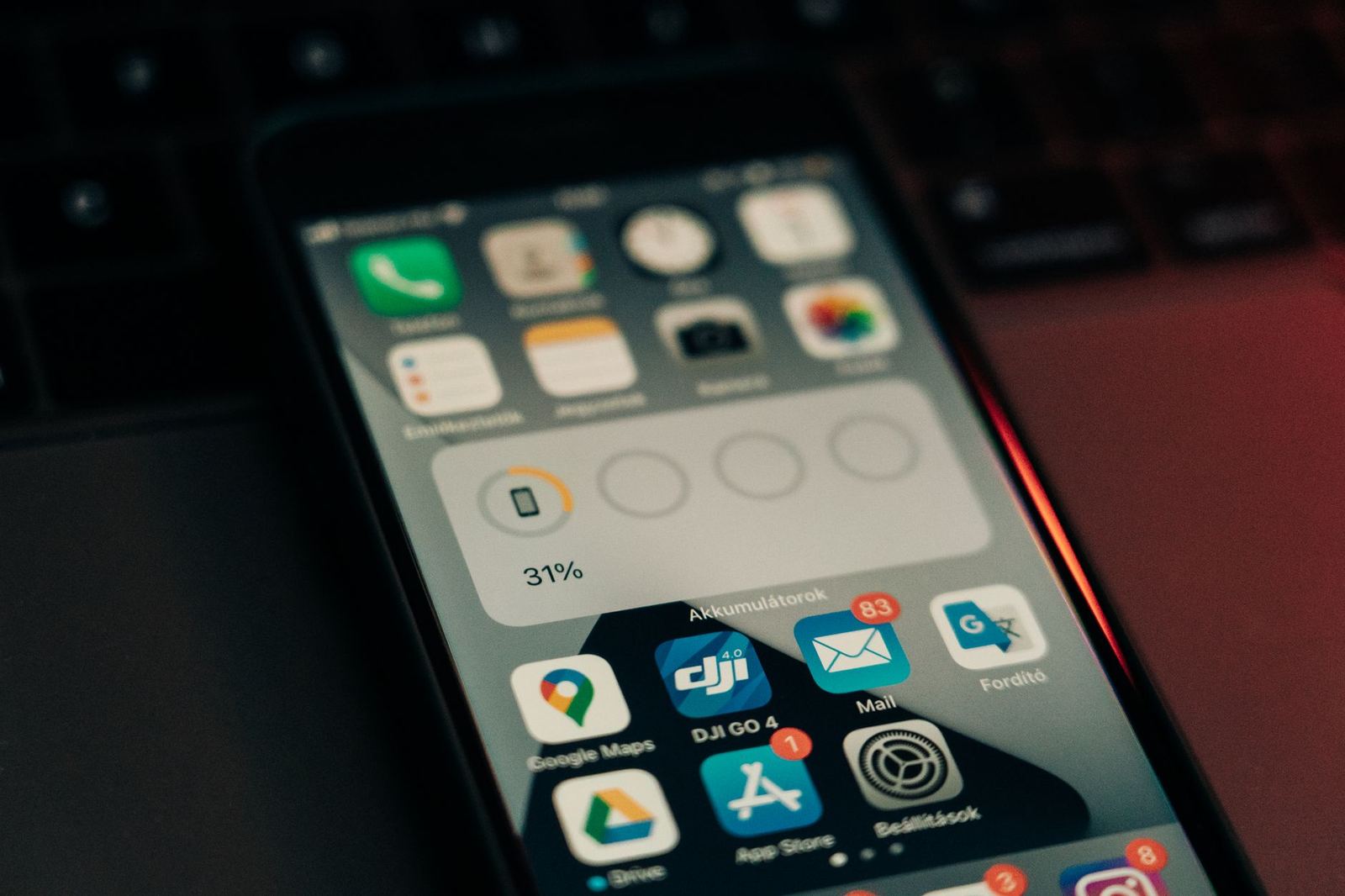
This chain matters for verification. A genuine weather warning has an identifiable author, a National Weather Service office, and that office publishes the same warning on its own channels.
The channels that carry Washington emergency alerts
The state’s Emergency Management Division says its alerts page covers several different systems. You may need more than one account, because federal systems and local government systems are separate.
- Wireless Emergency Alerts (WEA): short messages sent to most newer smartphones inside a defined area.
- Emergency Alert System (EAS): urgent messages carried on television, AM/FM radio and weather radios.
- NOAA Weather Radio: a dedicated receiver that sounds an alarm for warnings.
- Local opt-in alerts: county systems you register for by text, call or email.
- Social media: official agency accounts that repeat and expand on warnings.
Clark Regional Emergency Services Agency (CRESA) explains that WEA is location-based, so it targets your current physical location rather than your home address or where your phone is registered, according to CRESA’s alert page. The same page says users can opt out of most WEA alerts, except Presidential alerts, though it strongly recommends leaving them on.
For EAS, the CRESA page notes that it does not broadcast through national cable networks or internet- or satellite-based streaming services. If you watch only streaming video, an EAS tone may never reach you.
For tsunami warnings, the state alerts page says that on both Android and Apple phones you can receive a tsunami warning through WEA. It also lists NOAA Weather Radio, the National Tsunami Warning Center’s X account and several third-party apps as other routes.
Weather radio in Washington
Weather radio is the channel that does not depend on a cell network or an app. The Military Department says 22 transmitters serve Washington and reach more than 96 percent of the state’s population, which is why the state has adopted it as its all-hazards warning system, per its weather information page.
Nationally, the NWS describes a network of 1025 radio stations broadcasting official warnings, watches and forecasts from the nearest NWS office. Receivers use seven FM frequencies from 162.40 to 162.55 MHz, and the state lists the stations that serve Washington on the same page.
Two practical details help with verification:
- Each NWS office serving Washington tests its warning alarms on Wednesday around midday, unless active weather pushes the test to a quieter day, per the state page.
- Receivers run on batteries, so they keep working through power outages and can travel with you.
A Wednesday test is a routine check, not a warning of danger. If an alarm sounds at another time, listen for the message and confirm it with your county.
Local opt-in alerts: two county examples
The state’s alerts page explains that if you already receive AMBER Alerts, you are likely set for wireless alerts. However, you may not be notified of a flood or a critical road closure, which is why it points you to local opt-in alerts.
Clark County is one example. CRESA’s Clark Public Alerts system is address-based: staff draw a boundary on a map, and any registered contact tied to an address inside it receives the message by text, phone call or email. Registration goes through the service provider Everbridge, which CRESA says is expected.
Thurston County is another. Its alert and notification page lists river flood notifications as available for public sign-up. Check that page for any newer options, since county offerings change.
Wildfire notices often work differently from weather warnings, so it helps to learn how evacuation notices are tiered in our guide to Washington wildfire evacuation levels.
How do you verify a Washington emergency alert?
No single check works every time, but this order keeps things simple:
- Identify the channel. A phone alert with a distinct tone is likely WEA. A radio or television tone is likely EAS, and a text from a county system should come from a service you registered for.
- Find the issuing agency. Weather warnings come from an NWS office. Local hazards come from your county emergency management office, and AMBER Alerts come from the Washington State Patrol, according to CRESA.
- Confirm on an official channel. The state suggests following WA EMD, WA DNR, and NWS Seattle and Portland on social media to get updated and accurate event information, per its alerts page.
- Use the source for the hazard. For tsunamis, the National Tsunami Warning Center issues information for the continental U.S. and Canada and posts official notices on its X account, @NWS_NTWC.
- Be wary of unexpected contact. Thurston County’s alert page displayed a banner warning of scam emails and calls targeting residents, so go to the agency’s own website rather than a link in a message.
To understand which hazards these alerts are meant to cover, see our overview of Washington state natural disasters.
Which weather office speaks for your area
Four NWS offices cover Washington, according to the state’s weather information page:
- NWS Seattle: northwest Washington from Lewis and Grays Harbor counties northward.
- NWS Portland: the counties along the Columbia River in southwest Washington.
- NWS Spokane: northeast Washington from Chelan to Garfield and Asotin counties.
- NWS Pendleton: south central Washington from Kittitas to Columbia counties.
Knowing your office makes it easier to check a warning at its source. Coastal readers should also note that the state’s alerts page lists separate coverage notes for tsunami information.
Frequently asked questions
Can I switch off wireless emergency alerts on my phone?
Show answer
Most categories can be turned off, but Presidential alerts cannot. County emergency agencies such as CRESA advise keeping the rest enabled, since the messages are written for time-sensitive situations.
Do I have to register to receive a phone alert?
Show answer
Not for WEA, which follows your phone’s location instead of an account. Registration matters for county systems, which send messages to addresses you choose.
Will a weather radio still work if the power goes out?
Show answer
Receivers can run on batteries, according to the Military Department. Keep spare batteries with the unit so it stays ready.
Does streaming video carry the Emergency Alert System?
Show answer
According to CRESA, EAS messages do not go out over national cable networks or streaming services. Local broadcast television, AM/FM radio and weather radio are the routes it names.