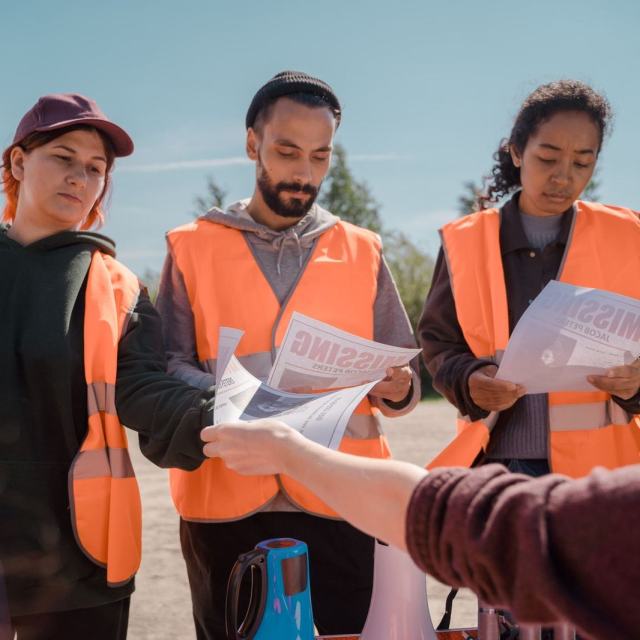

Not sure where to start with emergency preparedness? Start small: know your local hazards, make a plan, and build kits. Then practice it, because a plan only works if people know it.
| Item | Value |
|---|---|
| Share of the US population who are people with disabilities | approximately 27% |
| Washingtonians with a disability living in the community | 14 percent |
| Businesses estimated not to reopen after a major disaster | 40 percent |
| Time you and your family may be on your own after a disaster | at least two weeks |
| Home kit recommended by Washington’s Emergency Management Division | 2 Weeks Ready kit |
These figures come from the Washington Military Department’s access and functional needs page and its business preparedness page. They can change, so check the source before you rely on them.
What emergency preparedness covers
Emergency preparedness is the work you do before something happens: understanding the hazards around you, deciding what you will do, and gathering what you need. If you want the bigger picture, the explainer on what is emergency management shows where preparedness sits among response, recovery and mitigation. The Washington Military Department describes partners working together in every phase from preparedness to response and recovery to mitigation.
Disasters do not hit everyone in the same way, and the Washington Military Department says so plainly. It also notes that preparedness is not a one-size-fits-all activity and can be adapted to each individual and family unit.
FEMA’s Preparedness Toolkit explains that planning is a methodical way to engage the whole community in thinking through the life cycle of a potential crisis. It adds that each jurisdiction’s plans must reflect how that community will address its own specific risks. In practice, that means a plan copied from somewhere else is only a starting point.
Preparedness involves several groups, each with its own part to play:
- Households, who plan and stock supplies for themselves.
- Businesses, who plan to keep operating or restart quickly.
- Local and state agencies, who write and test emergency plans.
- Neighbors and community groups, who support each other.
This site is independent and educational. It is not an emergency agency and does not give official instructions, so follow your local authorities during a real event.
How do you prepare at home in three steps?
Washington’s Emergency Management Division, in its Three Steps to Preparedness, boils home preparation down to a short list:
- Learn your hazards.
- Have a plan.
- Build kits.
The first step is learning about the hazards near where you work, play and live. The state’s guidance names earthquakes, floods and pandemics as examples of what could happen. For a more structured way to look at local risks, see the guide to a hazard vulnerability assessment.
The second step is a plan. The state recommends that your family decide together where your meeting locations are and who your out-of-area contact is. Our guide to a family emergency plan walks through what to write down, and an emergency communications plan helps you think through how you will reach each other when the power is out.
The third step is supplies. The Emergency Management Division warns that you and your family may be on your own for at least two weeks. It suggests a 2 Weeks Ready kit at home, plus smaller kits for work, school and vehicles. The guide to an emergency preparedness kit covers what goes inside.

Who may need extra planning
The Washington Military Department says it is important for people with access and functional needs to prepare and to have access to resources before, during and after a disaster. It lists older adults, children, people with disabilities, people with limited English proficiency, and people with unique transportation needs. The right plan starts with your own abilities and needs.
The same page poses a set of questions worth answering ahead of time:
- Has a personal support network been established?
- How will emergency alerts be received?
- What options are available for refilling and storing extra medications?
- What communication options are available in a power outage?
- What alternate transportation options are available?
- What is the plan for evacuating, and what are the alternate shelter options?
- Is the support network familiar with how to operate specific mobility devices?
The state page reports that people with disabilities make up approximately 27% of the nation’s population. It adds that 14 percent of Washingtonians are people with a disability living in the community. A deeper look appears in the guide to emergency preparedness for people with disabilities.
Planning with these needs in mind tends to help everyone. As the Washington Military Department puts it, we all benefit from captioning, curb cuts, automatic doors, ramps and many other accessibility features.
How businesses prepare
The Washington Military Department calls the private sector a vital part of the emergency management community. It cites an estimate that 40 percent of businesses do not reopen following a major disaster. Building a continuity plan and taking proactive steps, it says, reduces that risk.
The same page lists steps toward comprehensive business planning:
- Determine which hazards threaten your business.
- Conduct a risk and vulnerability assessment.
- Conduct a business impact analysis.
- Create a business continuity plan.
- Review insurance coverage on an annual basis.
- Take steps to protect vital records.
- Develop and test emergency evacuation and shelter-in-place plans.
The fourth step is the centerpiece, and the guide to a business continuity plan explains how the pieces fit together. The state’s advice asks owners a pointed question: does your plan include redundancy strategies so you can keep operating through a power outage or phone interruption? It also recommends an all-hazards approach, because the odds of any one hazard are hard to predict.
Washington also runs two tools aimed at businesses. According to the state’s business page, the Business Emergency Operations Center shares situational awareness among private sector businesses and stakeholders. The Business Re-Entry registration system identifies business representatives with a critical need to access facilities in a disaster impacted area.
Testing plans and building community capability
A plan that has never been tried is a guess. FEMA’s Exercise Starter Kits give emergency managers sample materials and templates that can be customized to create a discussion-based exercise to validate their plans and policies. The guide to emergency management exercises explains the main exercise types in plain language.
The kits cover a range of scenarios. FEMA’s toolkit page lists several, including:
- Wildfire evacuation, which examines evacuation zones and routes and public messaging protocols.
- Hurricane response and recovery.
- Large-scale events such as sporting events, concerts and festivals.
- Alert and warning, which plans for using IPAWS for coordinated messaging.
- Supply chain resilience and critical infrastructure cybersecurity.
Agencies also lean on shared frameworks. According to FEMA, CPG 101 provides guidelines on developing emergency operations plans. The National Incident Management System is a systematic, proactive approach that guides communities, nongovernmental organizations and the private sector to work together.
Households can take part too, by joining neighborhood efforts and learning what their local agencies expect. Over time, that kind of cooperation is what builds community resilience, which is worth reading about if you want to move beyond your own front door.

What happens after a disaster
The Washington Military Department’s recovery page says thinking about recovery before any incident is central to preparedness. It recommends these steps if you experience losses:
- Assess and document damage by listing damaged or lost items and taking pictures.
- Contact your insurance provider to learn how to file a claim.
- Report damages to your local emergency management office.
- Stay informed through radio, social media and paper fliers shared by local offices.
The same page adds that Voluntary Organizations Active in Disaster will be present to help with activities like damage assessment, debris clean-up, and supporting donations and volunteers. Depending on the disaster, you may need to register for assistance with more than one agency. For what happens in the hours and days before recovery begins, read about disaster response.
Recovery is local. As a home rule state, Washington’s local jurisdictions and tribes are responsible for disaster response and recovery, according to the state’s recovery guidance. To see how those roles fit together, read the overview of Washington state emergency management.
Frequently asked questions
Where should I begin with emergency preparedness?
Show answer
Begin by finding out which hazards are most likely where you live and work. Once you know them, a simple family plan and a small kit are realistic next steps. You can add detail over time, using the state’s three-step approach as your outline.
How long should my supplies last?
Show answer
Washington’s Emergency Management Division suggests planning for a stretch of at least two weeks without outside help. Its kit guidance is built around that period. Adjust the amounts to your household, including any medications or equipment you rely on.
Does a small business really need a written plan?
Show answer
State materials estimate that 40 percent of businesses fail to reopen after a major disaster. A written plan, backed by insurance review and protected records, is the main way the Washington Military Department suggests lowering that risk.
Can this site tell me what to do during an emergency?
Show answer
No. It is an independent educational resource, not an agency, and it offers no medical advice. During a real emergency, rely on your local emergency management office and official alerts.